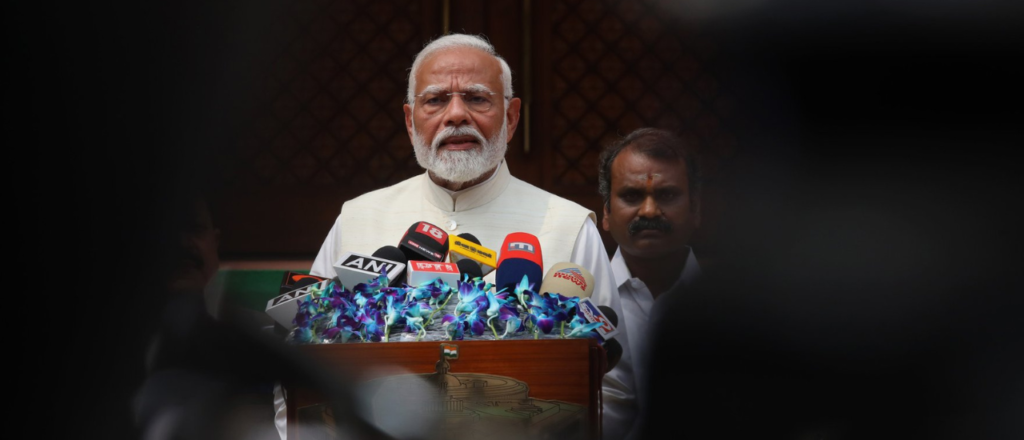
Political campaigning in India is undergoing a major transformation as digital platforms increasingly become the center of election strategy and voter outreach. From short video campaigns and targeted advertisements to meme-based political messaging and influencer collaborations, political parties are rapidly shifting focus toward online engagement ahead of upcoming elections.
Experts believe the rise of smartphones, affordable internet access, and social media consumption has changed the way political communication operates across the country. Traditional rallies and public speeches continue to remain important, but digital narratives are now playing an equally powerful role in shaping voter perception.
Political strategists say parties are investing heavily in data-driven campaigning to understand voter behavior, regional concerns, and online engagement patterns. Hyperlocal messaging tailored to specific communities, languages, and demographics is becoming a key part of campaign planning.
Platforms such as Instagram, YouTube, Facebook, and WhatsApp are now central to political outreach efforts, especially among young voters. Short-form videos, emotionally driven storytelling, and rapid-response content are helping parties react instantly to political developments and trending conversations.
Digital war rooms equipped with social media analysts, graphic designers, video editors, content strategists, and data monitoring teams are becoming increasingly common during election cycles. These teams work around the clock to track public sentiment, counter opposition narratives, and amplify campaign messaging across multiple platforms.
Political analysts believe meme culture and viral content have also become powerful tools in modern campaigning. Humorous edits, reaction videos, and trend-based political content are often helping parties reach younger audiences more effectively than conventional speeches or press conferences.
Artificial intelligence and advanced analytics are also beginning to influence campaign operations. Experts say AI-assisted tools are being used for voter sentiment analysis, speech optimization, automated content generation, and targeted advertising strategies. However, concerns regarding misinformation, manipulated media, and fake narratives continue to remain major challenges in the digital political ecosystem.
Meanwhile, regional parties are increasingly using digital platforms to strengthen local identity narratives and directly connect with voters without depending entirely on traditional media channels. Political observers believe this shift has created a more competitive and fast-moving communication environment across Indian politics.
As election campaigns continue evolving, experts say the future of political strategy will likely depend on the ability to combine strong ground-level organization with effective digital storytelling and real-time public engagement.