
Gen Z are our own, protesting doesn’t make them anti-national: Mohan Bhagwat
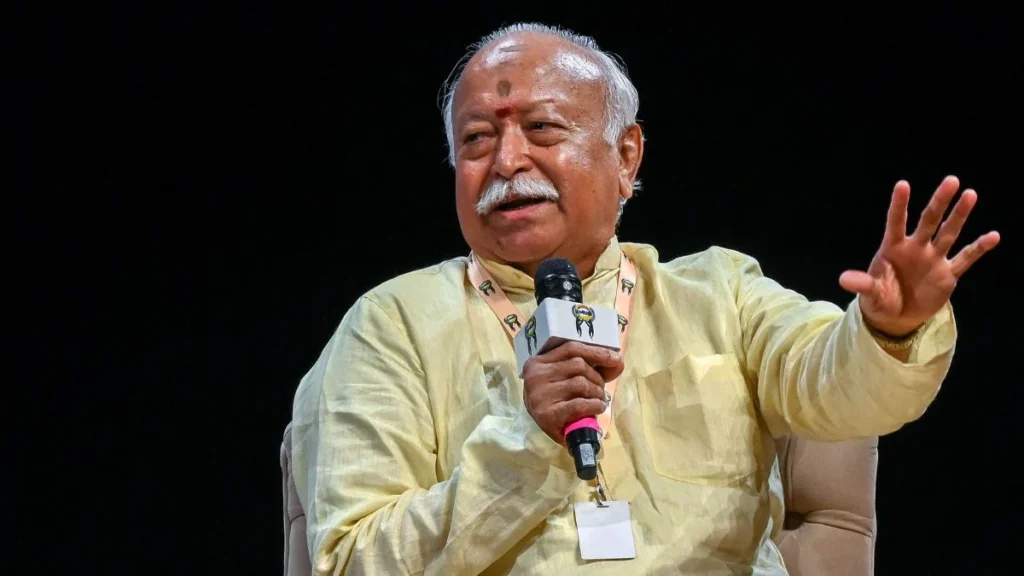
Mumbai, August 6, 2026 — In a candid interaction with young students on Thursday, RSS chief Mohan Bhagwat firmly rejected the idea that India’s Gen Z becomes anti-national simply by raising its voice. Speaking at the 15th anniversary celebrations of India’s International Movement to Unite Nations (IIMUN) at the Nita Mukesh Ambani Cultural Centre, he told a gathering of around 2,000 Gen Z and Gen Alpha participants that the younger generation belongs to the country and that agitation does not erase that belonging. Want to make it clear that if Gen Z engages in any agitation, they are not anti-national. They are our own people; they are our next generation,” Bhagwat said. He stressed that a sense of belonging and mutual respect must form the foundation of any conversation between generations. Only then, he argued, can real dialogue happen — one in which elders understand the concerns of the young and the young, in turn, understand the perspective of those who came before them. The remarks came against the backdrop of recent student-led protests, particularly over alleged irregularities and paper leaks in examinations such as NEET. Those demonstrations had grown intense in the national capital and elsewhere, with reports of police action including the use of tear gas and, in some accounts, pellet guns. Bhagwat was careful not to pronounce judgment on the specific incidents. He said he did not have complete, verified information about what had transpired between the police and the protesters, and therefore preferred not to draw conclusions. At the same time, he made his personal stance clear: “I will trust Gen Z blindly.” He described the grievances being voiced by young people — especially those related to the education system — as genuine. “There is a lot that needs to be done in Indian education; since it’s not happening, it’s being talked about,” he observed. Protest, in his view, is itself a form of dialogue in a democracy. When concerns are not heard through quieter channels, people may turn to agitation. The purpose of that agitation, however, should be to build consensus and correct systems, not to deepen divisions or target individuals. Bhagwat repeatedly returned to the character of the new generation. He said Gen Z and Gen Alpha are more honest than the existing generation. Appeals to patriotism and a spirit of service, he believed, find a genuine response in them. Unlike earlier generations that often accepted the word of elders without question, today’s young people ask for logical answers and also for affection and respect. “When we were at the age of Gen Z, we would listen to our elders. We never used to question. Now Gen Z wants logical answers,” he noted. He was clear that he would never tell young people they should not protest. Democracy, he said, provides ways of going about it. The methods laid out in the Constitution and the ideas of B.R. Ambedkar remain the framework. If youth are shouting, he suggested, it is usually not for the sake of opposition but for improvement. The task before society is to recognise that relationship of belonging and respond with dialogue rather than labels. The interaction itself was freewheeling. Students raised questions on education, jobs, reservation, social media, and even broader issues of national life. Bhagwat engaged with the questions directly, at one point picking up a contemporary expression from the audience and trying it out to laughter and applause. The tone of the evening was not one of lecture but of conversation — an older leader speaking to the generation that will inherit the country’s future. Bhagwat’s comments carry weight because of the organisation he leads and the moment in which they were delivered. In recent weeks, sections of public discourse had begun to question the motives of student protesters, sometimes casting them in an unfavourable light. By stating so plainly that these young people are “our own” and that protest does not make them anti-national, the RSS chief sought to shift the conversation toward understanding and engagement. He also touched on the practical need for better communication. Dialogue should always be the first step, he said. When something goes wrong that should not have happened, there is usually a deficiency somewhere that needs fixing. Whose responsibility it is may be debated later; the more important point is that the deficiency must be addressed. As the interaction drew to a close, the emphasis remained on relationship rather than confrontation. The younger generation asks questions and seeks logical answers. The older generation, Bhagwat suggested, must answer with both reason and warmth. Only then can the dialogue that democracy requires truly take place. Sources: India Today, The Indian Express, The Times of India, LiveMint, The Statesman, Firstpost, Times Now, NDTV, Deccan Herald, Outlook India, The Hindu, PTI, ANI (reports dated August 6, 2026). @Rohit Manral
Meeting with JP Nadda ‘Waste of Time,’ CJP’s Ashutosh Ranka Says as Protests Rage and Dozens Detained
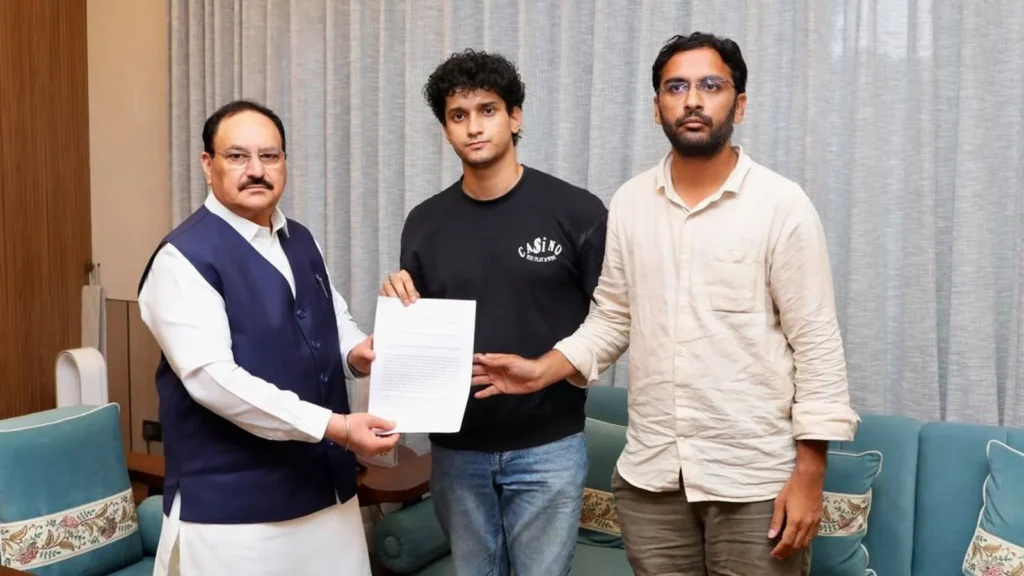
It’s one of those stories that feels raw, frustrating, and deeply personal for so many young Indians right now. The Cockroach Janta Party (CJP) — this youth-driven, satirical protest movement that’s blown up online and on the streets — has been camping out at Jantar Mantar, demanding real accountability over the mess in our education system, especially those heartbreaking NEET paper leaks and the call for Education Minister Dharmendra Pradhan to step down. On July 20, 2026, two CJP spokespersons, Saurav Das and Ashutosh Ranka, finally got a meeting with Union Minister JP Nadda after waiting hours. They went in with clear demands: immediate action on the leaks, the minister’s resignation or sacking, and support for affected students and families. They even handed over a written petition. But here’s the kicker that’s got everyone buzzing: Ashutosh Ranka later called the whole thing pretty much a waste of time. No solid commitments came out of it. Nadda listened, assured them he’d discuss it internally with leadership, and asked the protesters to wrap up their sit-in to help restore normalcy in the area. The CJP folks said they conveyed everything clearly but walked away feeling like it didn’t move the needle. Saurav Das posted updates emphasizing that the peaceful fight continues until demands are met. This meeting happened against a backdrop of growing tension. The CJP started as something almost meme-like — “cockroaches” symbolizing resilience, the little guys who won’t be crushed — but it’s turned into a serious youth agitation. Hundreds, sometimes thousands, of students, parents, and activists have gathered, holding signs, singing, sharing stories of how exam scams have wrecked dreams and, tragically, led to student suicides. They want systemic fixes, not just talk. Things turned messy that day. As some protesters tried to march toward Parliament, clashes broke out. Delhi Police reported around 70 people detained, with over 50 personnel injured amid stone pelting and attempts to push through barricades. There are videos and claims of lathi charges, pushing, and manhandling. The CJP side says police came down hard on peaceful demonstrators; authorities say they were restoring order near a high-security zone. Roads were closed, metro services hit, and internet restrictions kicked in for a bit. It’s the kind of chaos that leaves everyone exhausted and angry. Look, this isn’t just politics as usual. For so many young people, education was supposed to be the ticket to a better life. When papers leak, coaching mafias thrive, and no one seems held accountable, it feels like the system is rigged against them. CJP has tapped into that rage — smartly mixing satire, social media, and boots-on-the-ground persistence. Founder Abhijeet Dipke and others like Sonam Wangchuk (who’s been on hunger strike) have become faces of this push. Nadda’s office described the talks as cordial and in a “vital verbal discussion,” with a written petition submitted later in the afternoon. He urged an end to the protest to let normal life resume. But Ranka’s blunt take — waste of time — resonates with protesters who feel unheard after weeks of sitting in, fasting, and marching. As of now, the protest site at Jantar Mantar looks quieter in parts, with police clearing areas, but the spirit isn’t gone. Supporters are calling for nationwide peaceful actions. This movement highlights bigger cracks: trust in exams, youth unemployment fears, and a generation tired of platitudes. Whether this meeting leads to anything meaningful — investigations, reforms, resignations — remains to be seen. For now, it feels like another round in a long fight. Young voices are loud, organized, and refusing to fade away. We’ll keep watching how the government responds, because ignoring this could cost more than just political points. The kids aren’t just “cockroaches” anymore — they’re a force making noise that’s hard to swat away. Sources: @Rohit Manral